
East Africa’s data centre market is entering a period of rapid growth. The Africa data centre construction market is projected to reach over USD 4.5 billion by 2031, with Kenya, Tanzania, and Ethiopia emerging as key investment hubs. More organisations than ever are planning new builds or major facility upgrades across the region.
But building a data centre in East Africa is not the same as building one in Europe or North America. The climate, power grid reliability, supply chain logistics, and regulatory environment all present challenges that require deep local expertise. Here are the five essentials every decision-maker should understand before breaking ground.
Power Infrastructure Is Your Biggest Risk
In most developed markets, grid power is a given. In East Africa, it is the single largest threat to your facility’s uptime. Tanzania, Kenya, and Ethiopia all experience grid instability, voltage fluctuations, and load shedding as a matter of routine.
Your data centre’s power architecture must be designed to operate independently of the grid for extended periods. This means redundant generator sets at N+1 minimum, static or rotary UPS systems, automatic transfer switching, and increasingly, solar hybrid backup to reduce diesel dependency and operating costs.
The margin for error in an East African data centre build is thin. Power, cooling, and site selection all require specialist knowledge — choosing the right construction partner is the single most important decision you will make.
Globotech Engineering Team
Cooling Design Must Account for Tropical Climate
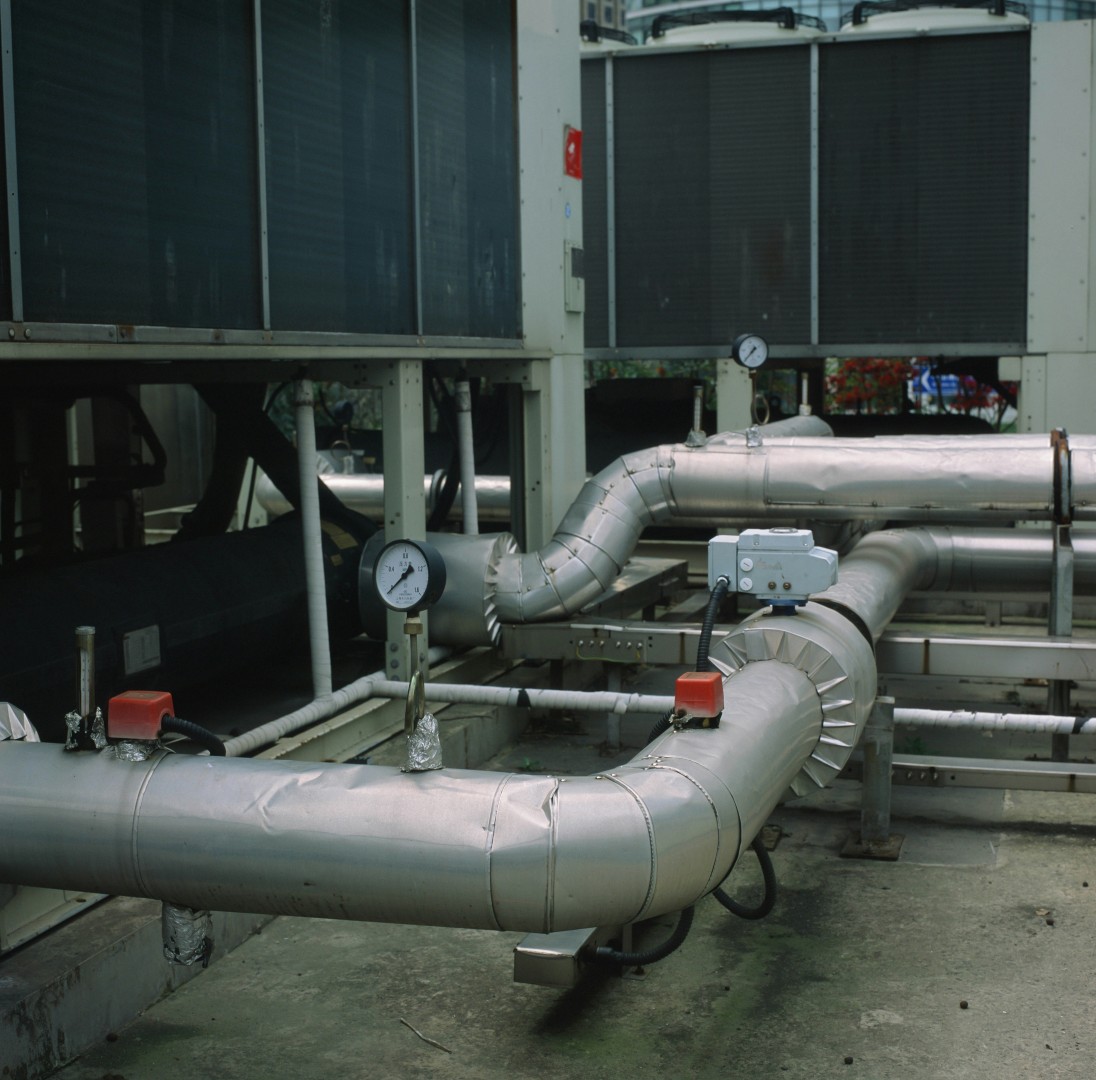
Ambient temperatures above 30 degrees Celsius and coastal humidity in cities like Dar es Salaam will destroy standard cooling designs built for temperate climates. Your facility needs precision CRAC or CRAH units with proper hot and cold aisle containment, and thermal modelling completed before construction begins — not retrofitted after commissioning.
Site Selection, Certification, and Local Expertise
Three factors are often underestimated by organisations new to building in the region:
- Proximity to submarine cable landing points is critical for connectivity
- Flood risk assessment is essential in coastal and low-lying areas
- Local building permits and regulatory approvals add months if not planned early
- A feasibility study by engineers who know the region prevents costly delays
- Uptime Institute Tier certification is increasingly required by international clients
- An Accredited Tier Designer must be involved from the concept phase
- CRB registration as Electrical and Civil Works Contractor is mandatory in Tanzania
- OEM partnerships with Vertiv, Schneider, and Huawei ensure equipment quality and warranty
The Bottom Line
The opportunity in East African data centres is proven and growing. But success depends on partnering with a contractor who combines international certifications with real local delivery experience — someone who has built in Dar es Salaam, Addis Ababa, and Berbera, not just designed from an office in London or Dubai.

